
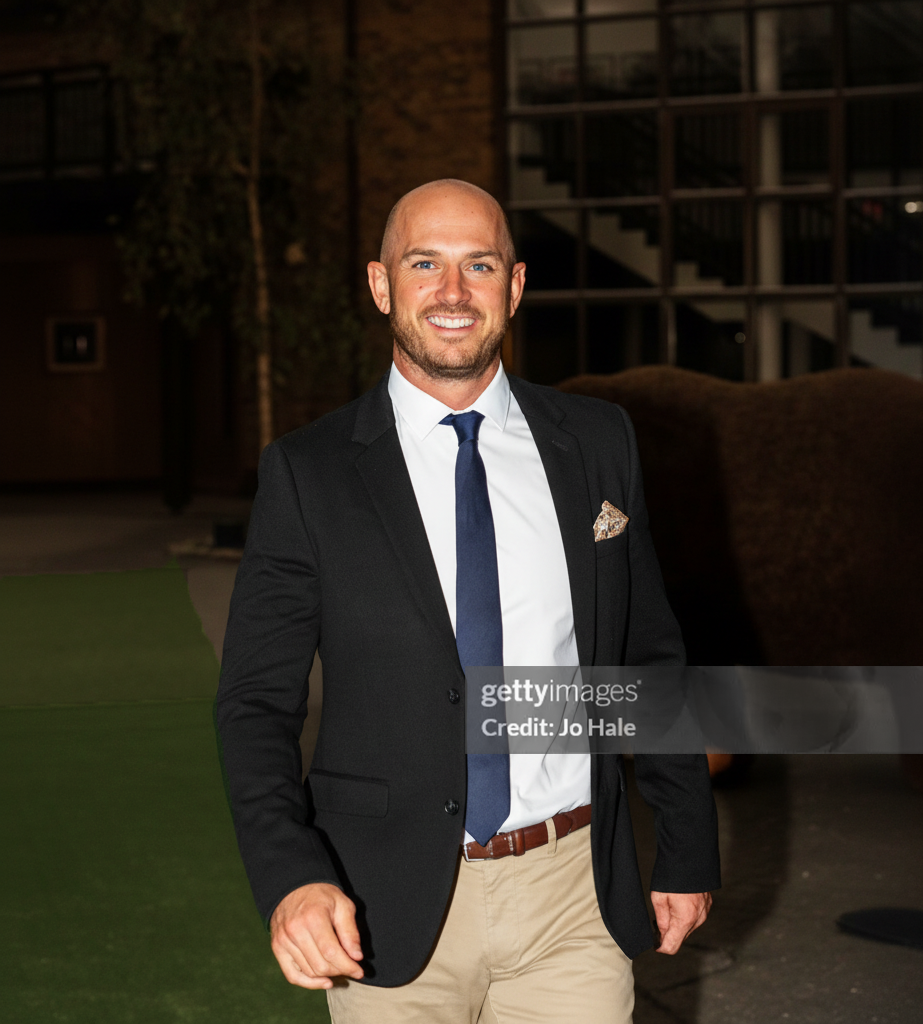
Over the past few months I’ve been writing a series of articles reflecting on different aspects of filmmaking and festivals. Together they have formed a diary of sorts, charting what eleven years of running London Breeze Film Festival has taught me. When I started the festival, I imagined success would be measured by full cinemas, great films and famous faces walking through the doors. Those things are still really exciting, but what I remember the most are the conversations in cinema foyers, volunteers staying long after everyone else has gone home, filmmakers introducing one another and discovering months later that they’re now making a film together. Films bring people together, but it is the people who make a festival worth returning to.
Community has become the theme running through so many of these articles. After one screening I watched a filmmaker throw a rucksack over her shoulder, unlock her bike and head for the station before travelling down to another part of the county where her own short film was screening the following morning. Independent cinema has always relied on generosity – filmmakers travelling around the country, championing one another’s work and I think that’s still the most valuable thing a festival can offer. That was why recently we spent so much time revisiting our mission statement. The team challenged ourselves to ask if we are still doing the things that mattered when we started. Looking back over eleven years there are events I’d repeat tomorrow and others that quietly disappeared – part of understanding your audience and recognising that a festival should never stop taking risks. Optimism has always been one of the values that has kept London Breeze moving forwards, because every experience teaches us something useful.
One of the articles that prompted the most discussion centred on premieres. A filmmaker friend had just finished her feature and was wrestling with the question of where it should be shown first. It’s a dilemma faced by almost everyone making independent films because the decision can shape a film’s entire festival journey. There is enormous pressure to secure a world premiere at a major festival and, understandably, festivals often favour films that haven’t screened elsewhere. A thoughtful premiere at the right festival can often have a greater impact than simply collecting the most prestigious laurel.
A similar conversation emerged recently, where a group of us found ourselves debating how festivals approach their juries. Some festivals keep the same jury members year after year, others appoint a chair and rotate the panel, while we’ve always preferred inviting a completely new mix of people each year. I love the fact that previous winners might find themselves sitting alongside producers, critics, filmmakers and industry professionals who have never met before. Every jury develops its own chemistry and its own way of thinking, which makes the conversations fascinating to observe. I still remember the year Vanessa Redgrave joined our jury. Deliberations stretched on for several hours because there was genuine disagreement about the winning film. Nobody was trying to win an argument; everyone simply cared deeply about reaching the right decision. Watching that process unfold reminded me that awards only carry real value when people are prepared to argue passionately for the films they believe deserve recognition.
The same principle applies to Q&As. One of the pleasures of writing these articles has been hearing from filmmakers and moderators about the techniques they’ve developed over the years. The best conversations don’t happen because somebody has written the perfect list of questions. They happen because trust has been built before the audience even walks into the room. A few minutes chatting over a coffee, discovering a shared interest or putting somebody at ease often does more for a Q&A than another hour of research. That feels like quite a useful lesson beyond festivals as well. People respond to curiosity far more readily than performance.
Writing these reflections has also encouraged me to look at the festival slightly differently. When you’re immersed in organising a festival, it’s remarkably easy to focus only on deadlines, sponsorship, ticket sales and logistics. These articles have forced me to pause each week and think about the bigger picture and they’ve become a reminder of why we started in the first place. The festival has been shaped by hundreds of filmmakers, volunteers, audiences, jury members, partners and friends who have each contributed something and as we finalise our eleventh edition this October, I’m naturally proud of what we’ve achieved. But we won’t stand still – the greatest privilege of running a film festival isn’t simply watching films; it’s friendships and collaborations that grow around them. For 11 years we we’ve been building a community as well as a film festival and that makes me incredibly excited about what the next chapter might hold.